Micha Chamilov, Nicholas Goudket, Laurène Buchheit
–
Petty Boots begins with a rhythm of moment - a step, a trip, a detour - small steps through a city that refuse grandeur. The title itself feels like a slip of the tongue, something minor but charged with movement. To be “petty” here, is to resist the big stride in favor of something closer to the shuffle, the sidestep.
The exhibition departs from the Situationist Internationals impulse to drift (dérive), to let the city and its affective currents move back through the body. But instead of seeking total critique or heroic rupture, Petty Boots turns toward what McKenzie Wark calls the micro-spectacle: the dispersed, everyday scenes where ideology flickers through the banal. “We live amid a disintegrated spectacle,” Wark writes, “not a single screen of ideology but a swarm of micro-spectacles.”¹ These micro-spectacular relations appear throughout the exhibition: small, charged situations that map desire, power, and affect across the urban, bodily, and conceptual landscape.
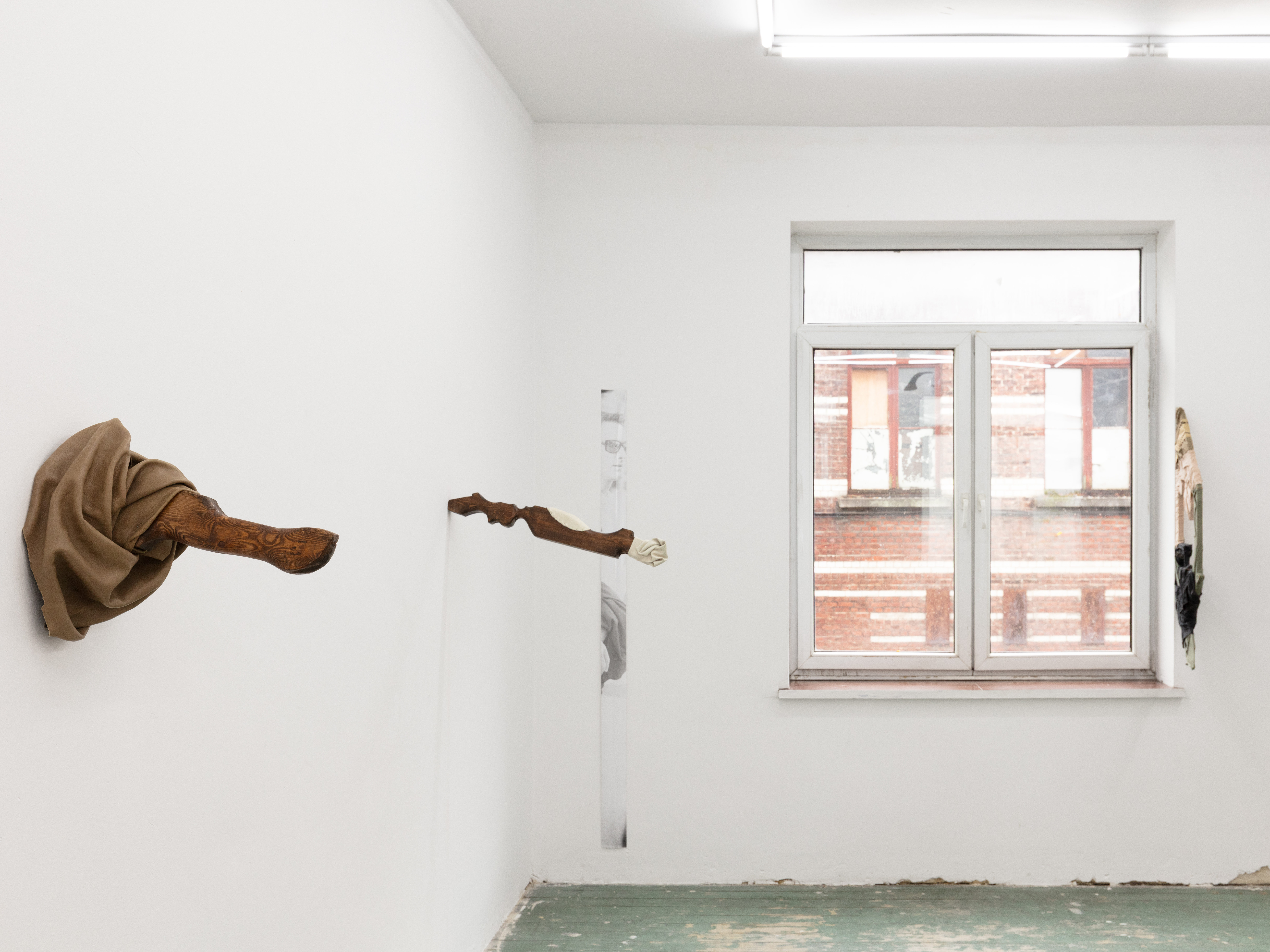
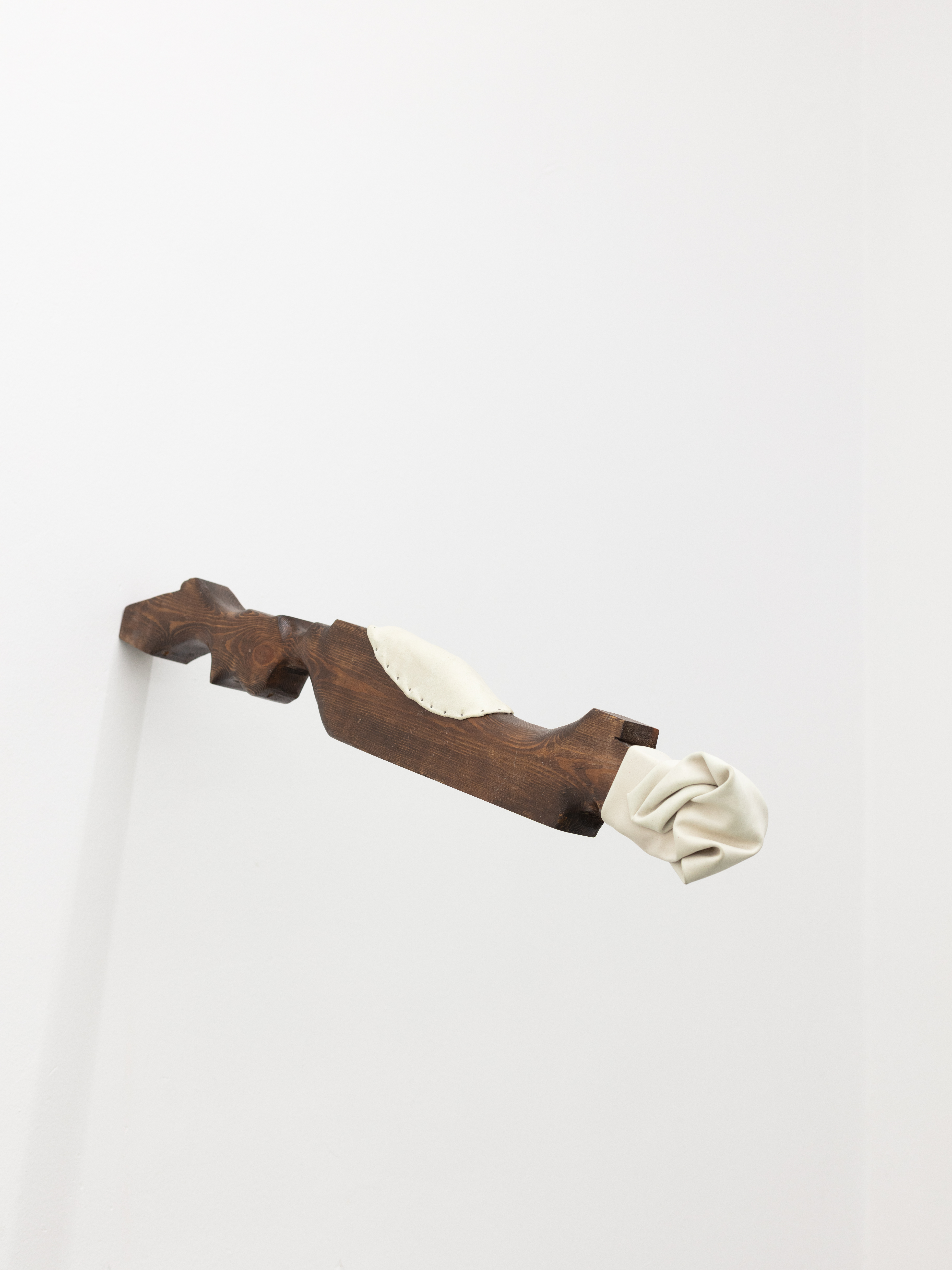
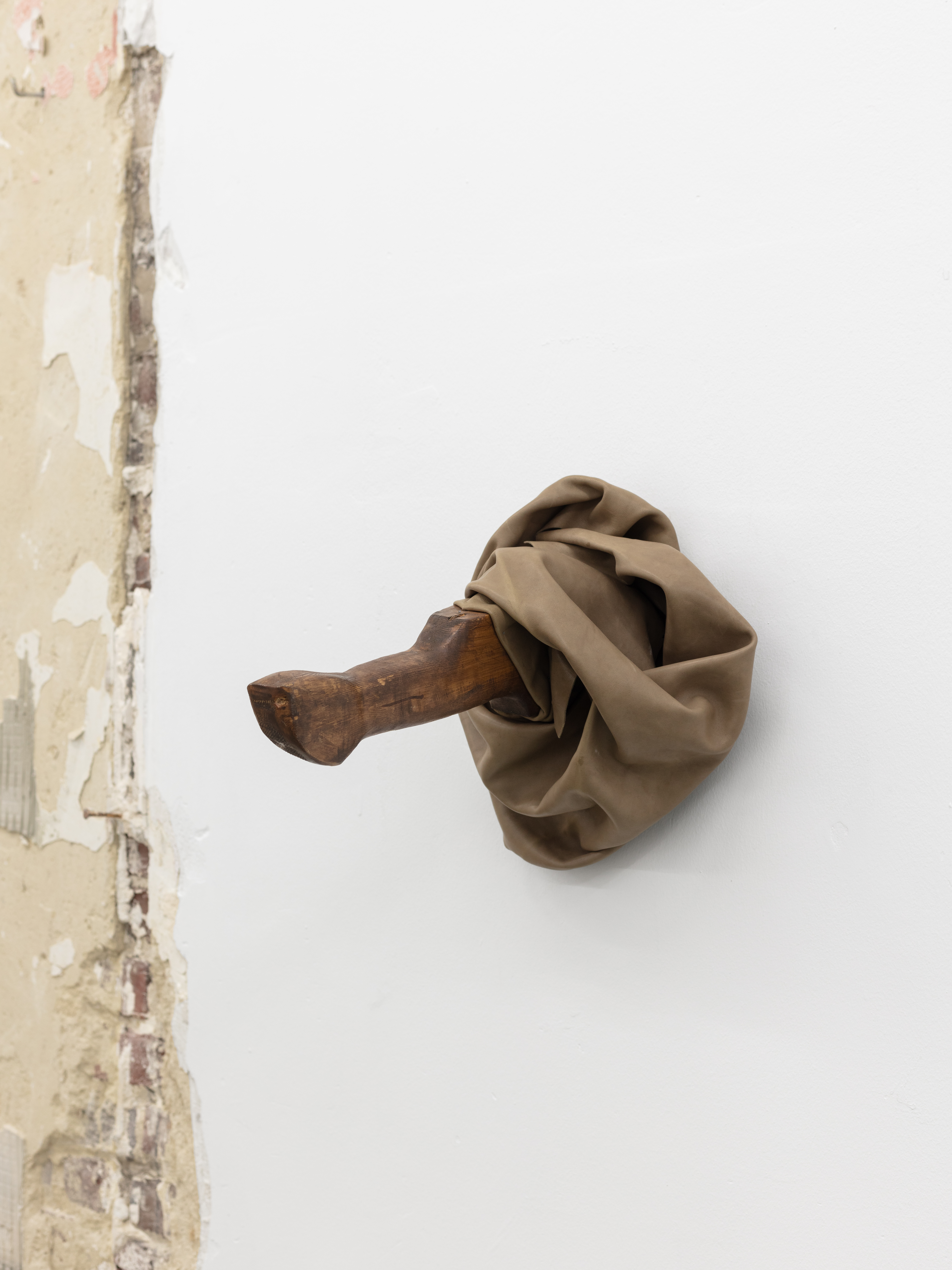
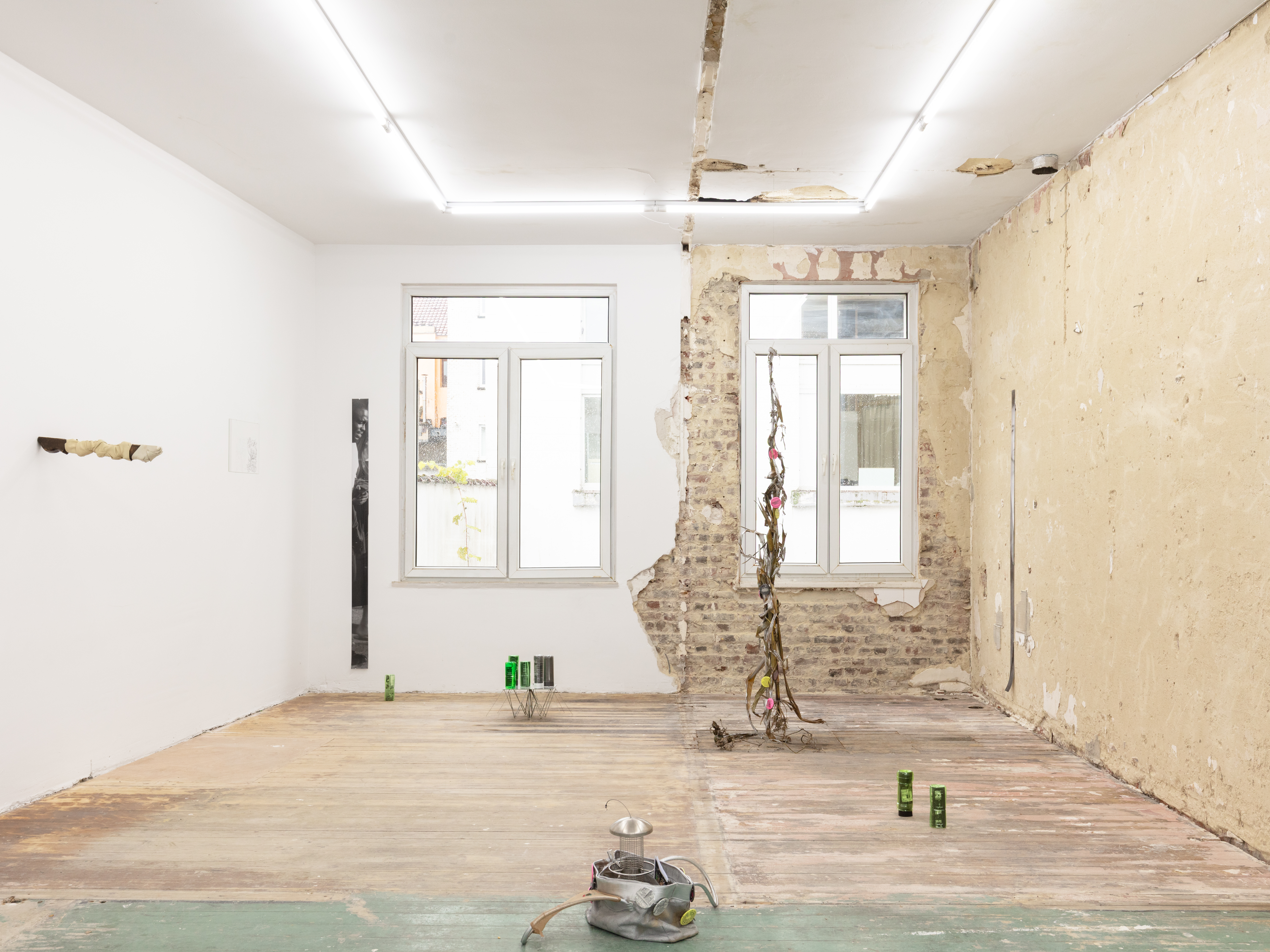
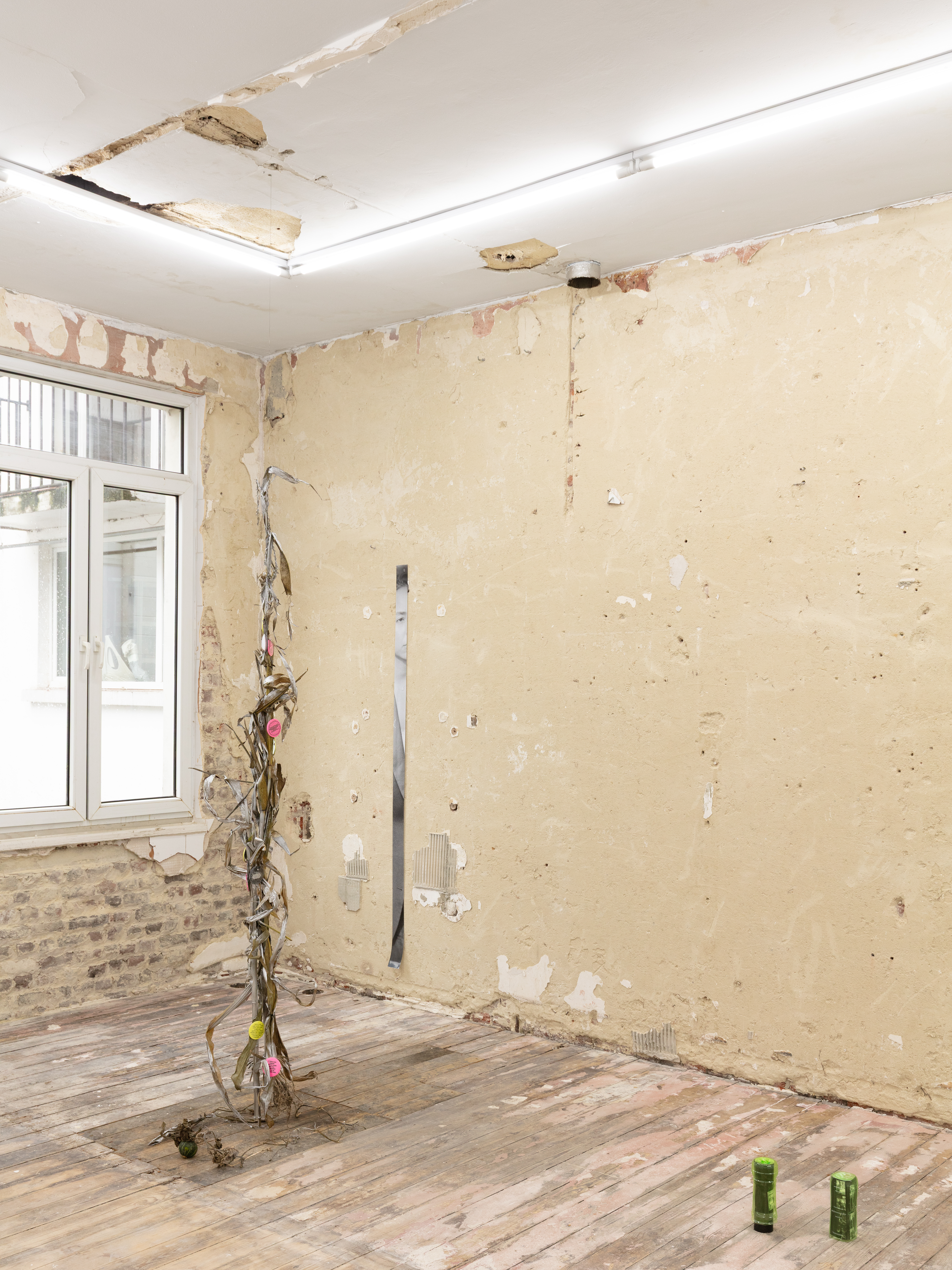
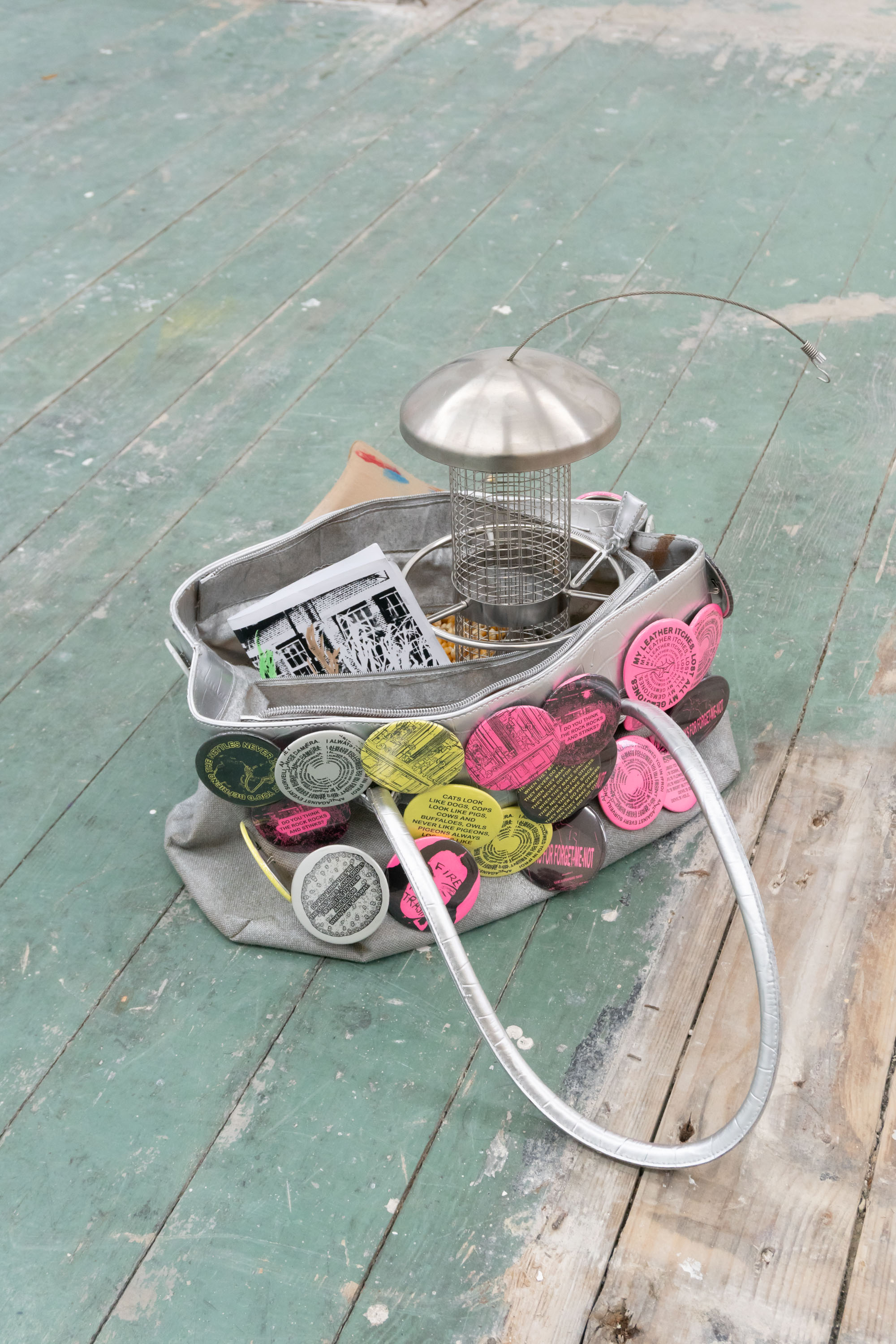
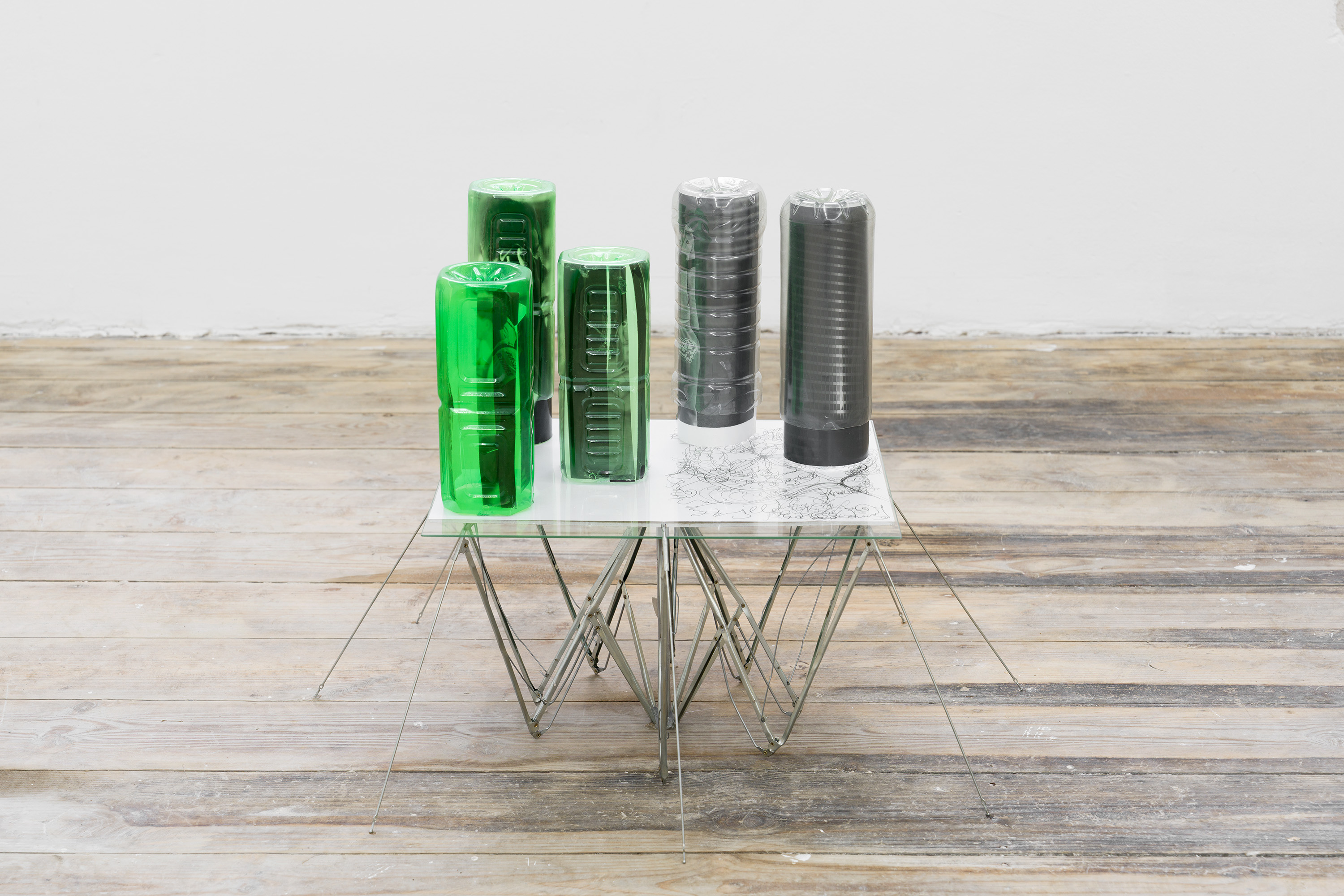
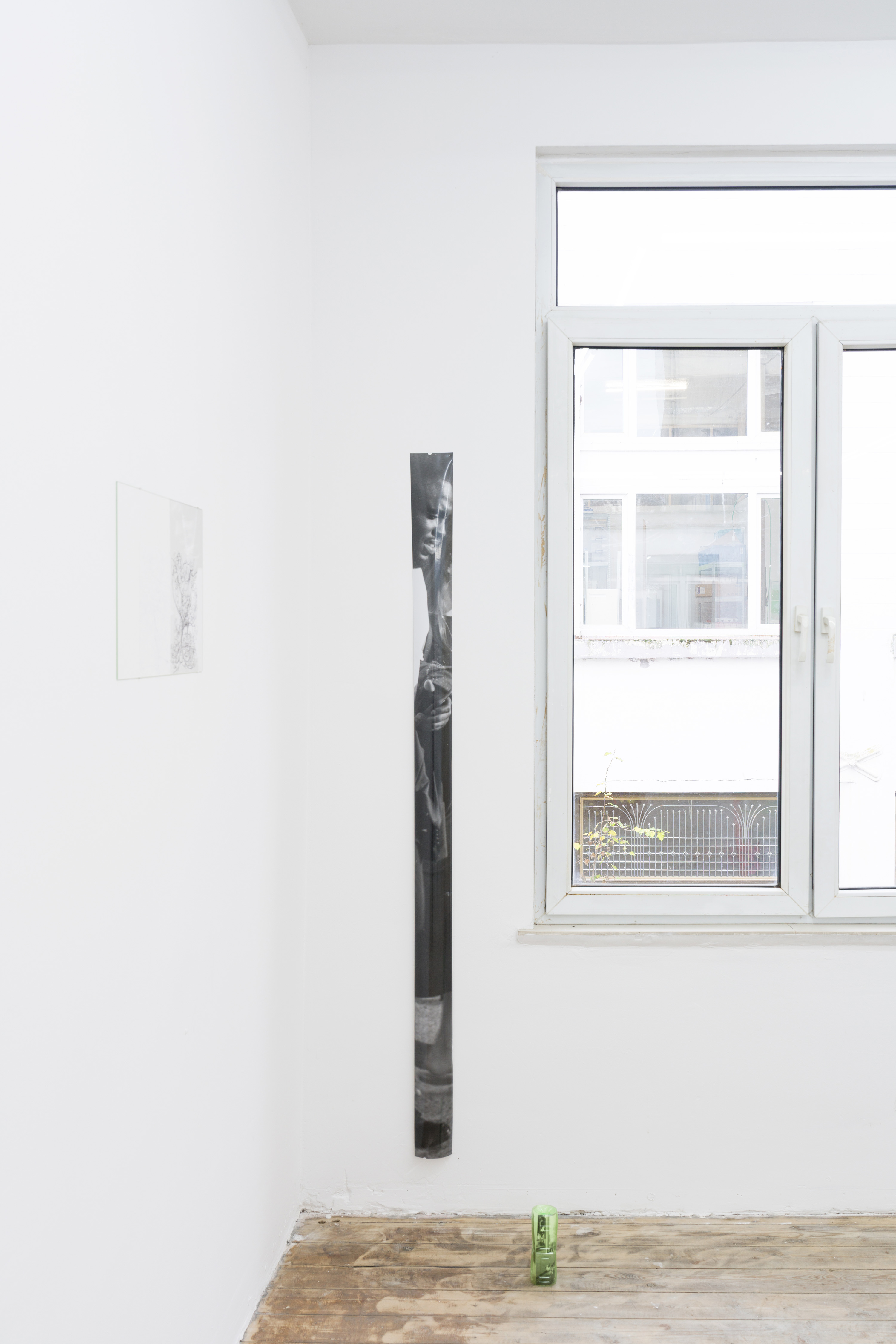
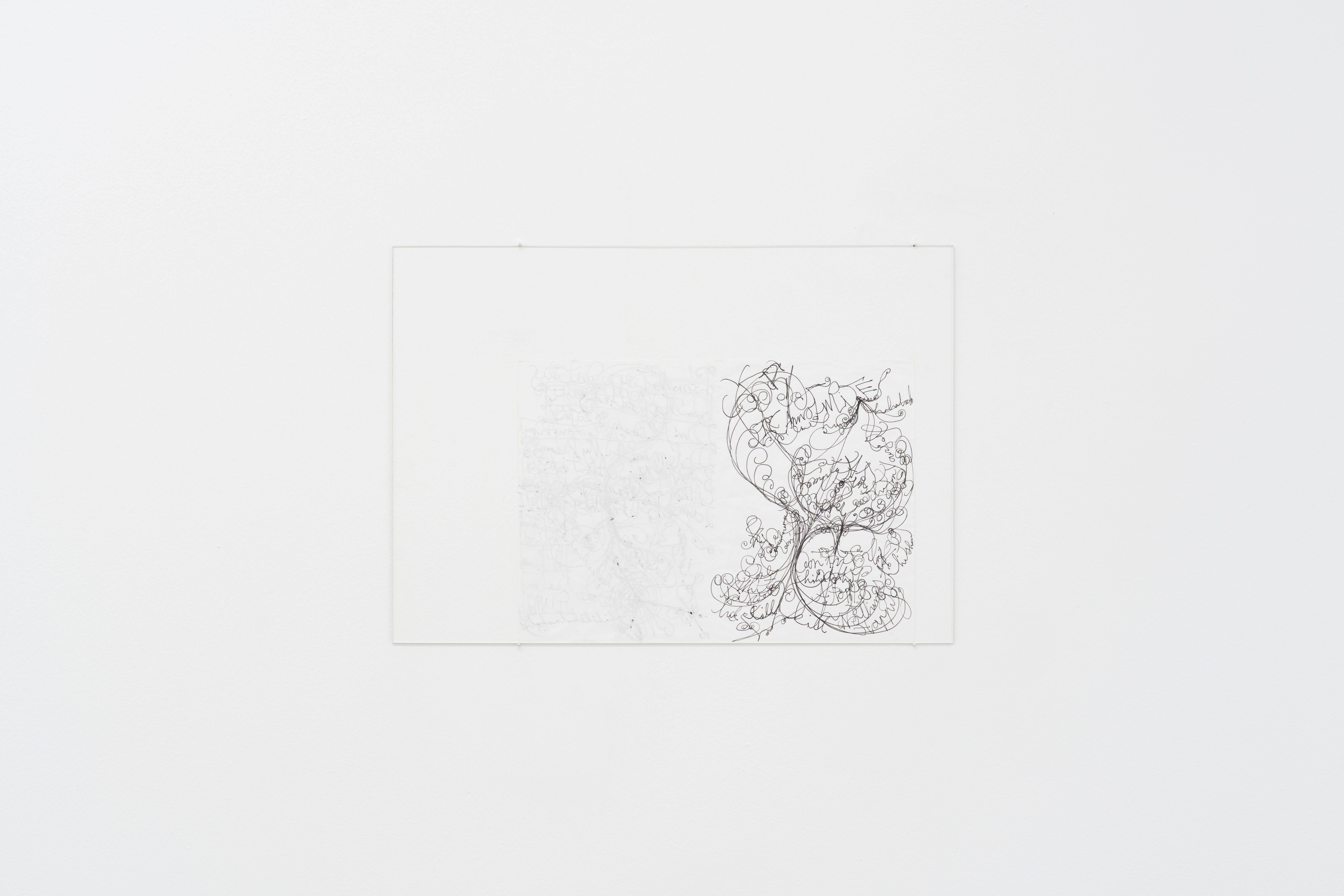
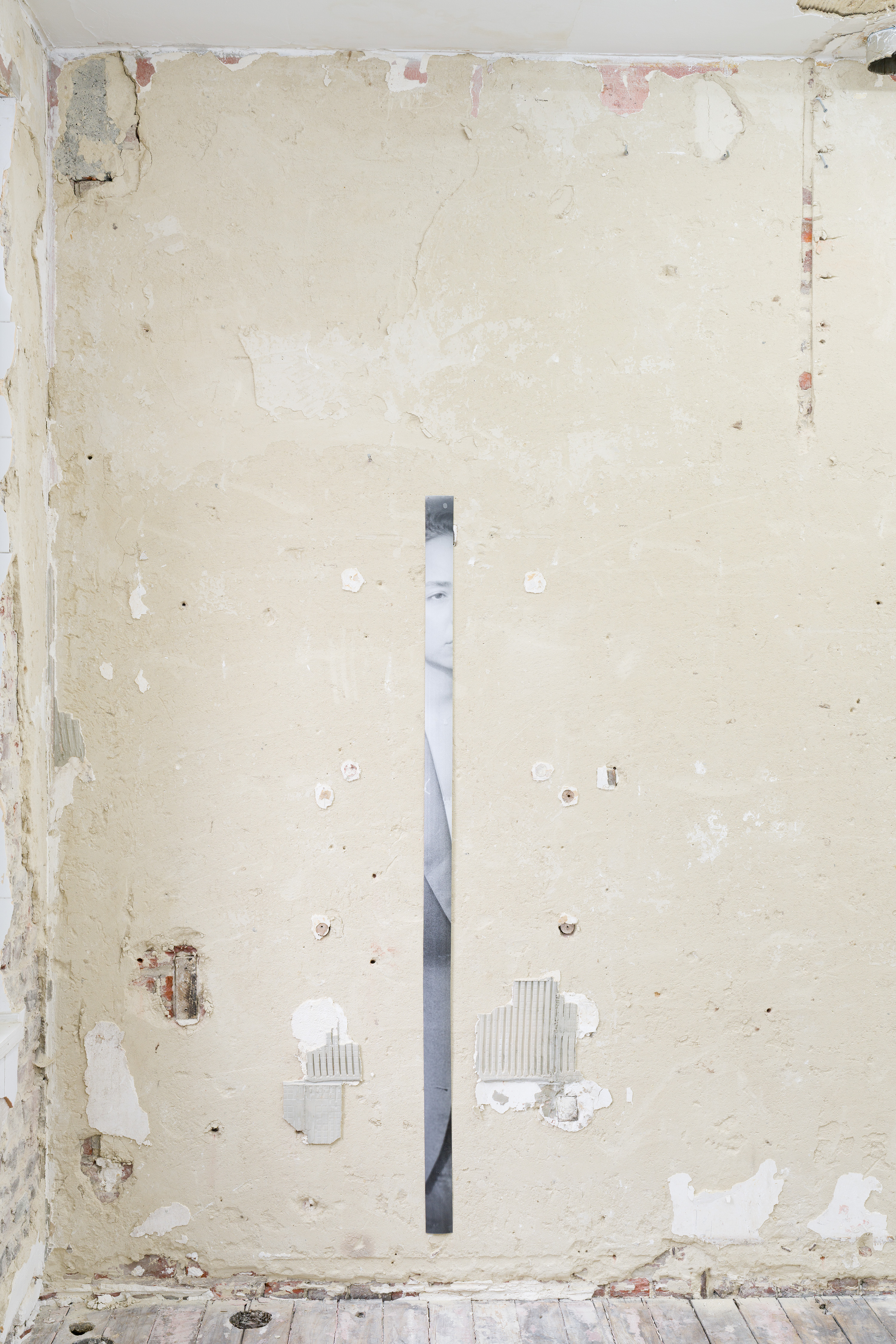
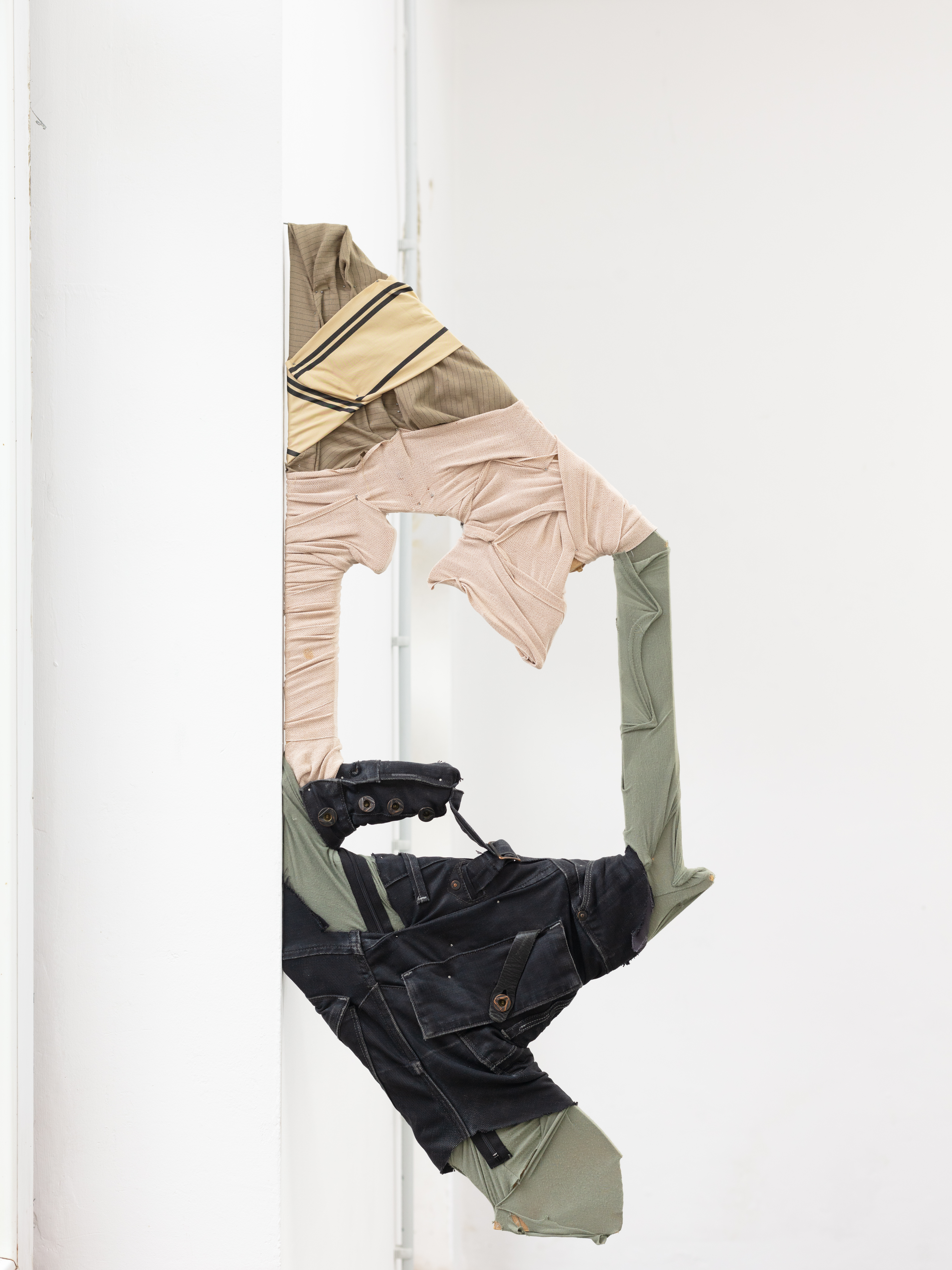
They find the stage in scourings of the streets, a cob of corn, an evening bag - they become a sight of drift: a small spectacle that exposes how ideology seeps into seemingly trivial materials, yet also how those materials leak, resist, and misbehave. Laurène’s subjects speak in slang: coded, affective, half-hidden. Language becomes both map and camouflage, echoing Alice Becker-Ho’s sense of slang as a form of outlaw speech. Each artist steps into their own version of the voyeur’s role, tracing through public space in search of moments where the world refuses full capture. Following the Situationist notion of psychogeography, in Wark’s terms, relates to a way of sensing how a city organizes emotion and behavior, and how wandering through it can open tiny breaks of awareness. Within Nicholas’s works we find blinks of the city in passing, snippets that, when repurposed, become an act of soft resistance, tracing emotional and ideological currents. All three artists sense how ideology moves through the city’s surfaces - how emotion, desire, and attention are organized by the built environment. At times this emotional drifting amps up the erotic charge between body and commodity, as finds form in Micha’s sculptural objects. Wark notes that post-capitalism extracts value not only from labour but also from emotions and desires.² It is here, where the libidinal and the economic meet, that the intimacy of capital and the body’s submissive refusal is revealed.
Doris Hardeman